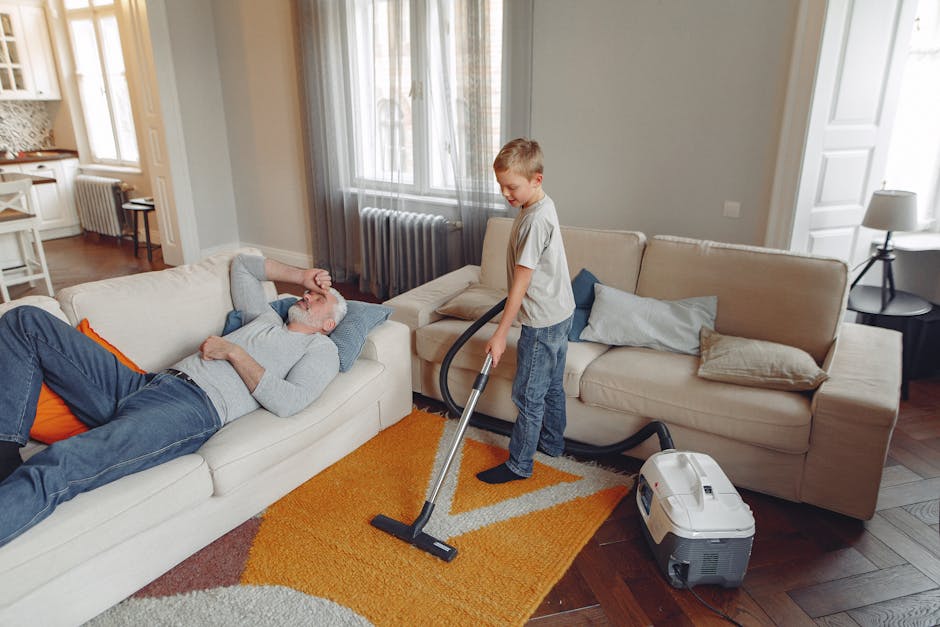
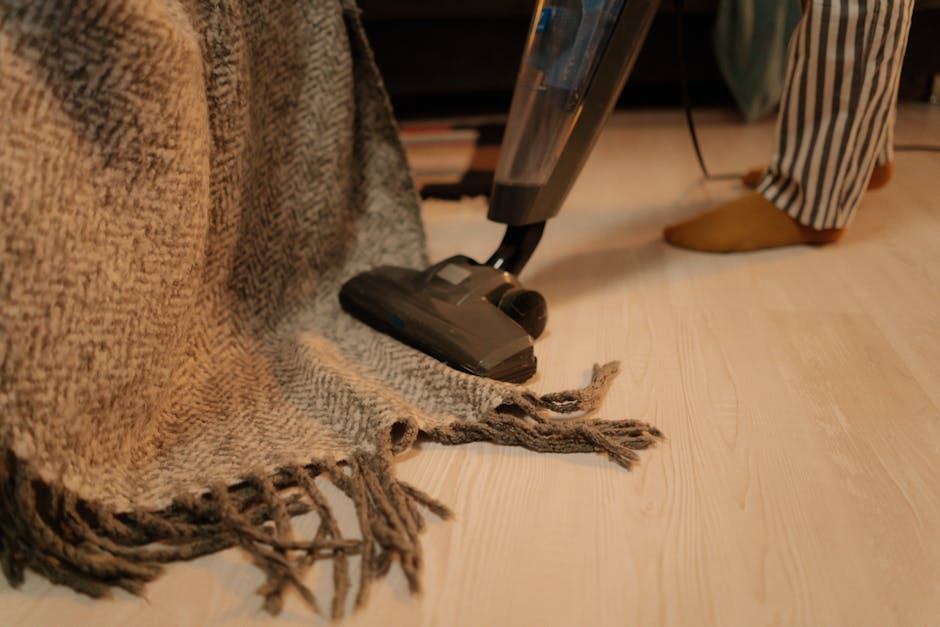
Avoid these carpet cleaning mistakes in W4 homes: a practical guide for better results
If you live in W4, you already know the mix of life here: busy family rooms, period floors, pets, the odd muddy day after a walk by the river, and carpets that quietly take the strain. The trouble is, a lot of well-meant carpet cleaning goes wrong before the machine even starts. This guide on how to avoid these carpet cleaning mistakes in W4 homes walks you through the common slip-ups, why they matter, and what to do instead so your carpets look cleaner for longer and do not end up feeling worse after the clean. Simple, really - but not always obvious.
Whether you are tackling a quick refresh yourself or comparing professional options, the right approach can save fibre damage, browning, damp smells, and wasted effort. And yes, that annoying "I cleaned it and now it looks patchy" problem is very often preventable.
Table of Contents
- Why this matters in W4 homes
- How carpet cleaning works
- Key benefits and practical advantages
- Who this is for and when it makes sense
- Step-by-step guidance
- Expert tips for better results
- Common mistakes to avoid
- Tools, resources and recommendations
- Law, compliance, standards, or best practice
- Options, methods, or comparison table
- Case study or real-world example
- Practical checklist
- Conclusion
- Frequently asked questions
Why Avoid these carpet cleaning mistakes in W4 homes Matters
Carpet cleaning sounds straightforward until you meet the realities of everyday homes in W4: older wool blends, modern stain-resistant fibres, runners in narrow hallways, and living rooms that get more foot traffic than you might expect. A mistake that seems small at the time can leave a noticeable mark. Too much water can wick dirt back up. Too much detergent can leave sticky residue. Too much scrubbing can rough up the pile. And if you have natural fibres, a confident over-clean can be expensive in a hurry.
In our experience, most carpet issues are not caused by one dramatic error. They come from a few ordinary missteps stacking up. A quick vacuum skipped here, an unknown stain treated with the wrong product there, then a carpet that takes too long to dry because the room was shut up on a damp afternoon. That is the real-world version of "just giving it a clean".
It matters because carpets are not just decorative. They affect indoor comfort, cleanliness, and how a room feels underfoot. A well-cleaned carpet can freshen a whole home. A badly cleaned one can smell musty, trap soil faster, and wear out sooner. Let's face it, nobody wants to spend time and money making a carpet look worse.
How Avoid these carpet cleaning mistakes in W4 homes Works
The best carpet cleaning approach is less about brute force and more about sequence, product choice, moisture control, and drying. First, you identify the fibre type and the level of soiling. Then you remove dry debris, treat spots carefully, apply the right cleaning method, and manage rinse and drying properly. That basic order matters more than people think.
For example, vacuuming before wet cleaning lifts loose grit that would otherwise turn into muddy paste. Spot-testing a cleaning product in an out-of-sight area helps you avoid colour loss or texture changes. Using the right amount of solution prevents overwetting, which is one of the easiest ways to create lingering odour in a closed-up room.
There is also a timing element. A carpet cleaned in a warm, well-ventilated room on a dry day behaves differently from one cleaned late in the evening with windows shut and a heavy raincloud sitting over west London. Same product, different outcome. That is why "how it works" is really about the conditions as much as the chemicals or equipment.
If you are comparing service types, a professional carpet cleaning visit typically focuses on fibre-safe methods, stain treatment, and faster, more controlled drying. For some homes, especially where pets or high footfall are involved, a deeper treatment may also overlap with deep cleaning or a targeted stain removal approach.
Key Benefits and Practical Advantages
Done properly, carpet cleaning gives you more than a brighter floor. It can improve the feel of a room straight away. You notice it when you walk in and the carpet no longer looks tired at the edges or dull in the centre track where everyone heads to the sofa.
- Better appearance: Colours look fresher and the pile stands up more evenly.
- Less lingering dirt: Proper extraction or rinsing removes more than a surface wipe.
- Reduced odour: Especially useful in homes with pets, children, or high humidity.
- Longer carpet life: Less embedded grit means less wear on fibres.
- Healthier-feeling rooms: Dust and allergens are reduced when cleaning is thorough and drying is handled well.
- Improved value: A cared-for carpet supports the overall condition of the home.
There is also a simple domestic benefit: fewer "I'll deal with that later" moments. Once a carpet is properly cleaned and dried, the whole room feels more settled. You stop noticing the mark by the radiator or the patch near the hallway bend. That matters in real life.
Who This Is For and When It Makes Sense
This guidance is for W4 homeowners, tenants, landlords, busy families, pet owners, and anyone who wants a cleaner carpet without accidental damage. It is also useful if you are comparing whether to clean the carpet yourself or book a specialist.
It makes particular sense when you are dealing with:
- stubborn traffic lanes in hallways or living rooms
- pet accidents or lingering odours
- spillages on wool or blended carpets
- move-in or move-out preparations
- allergy-sensitive households
- carpets that look clean at first glance but feel gritty underfoot
If you are a landlord or preparing a property for new occupants, carpet condition can shape the whole first impression. If you are a tenant, over-wetting or aggressive stain work can cause avoidable disputes later. And if you simply want a nicer home, well, that is reason enough.
For broader property routines, many households in the area pair carpet care with one-off cleaning, regular cleaning, or even a full domestic cleaning plan so the carpets are not always fighting against the rest of the house.
Step-by-Step Guidance
Here is a sensible way to clean carpets without creating avoidable problems. Keep it calm. Keep it methodical. That is usually where the good results come from.
- Start with a proper vacuum. Go slowly and make overlapping passes. If the carpet holds grit, any wet method will be less effective. It is a bit like trying to wash a muddy coat before shaking it outside first - you just spread the mess around.
- Identify the fibre. Wool, wool blends, nylon, polyester, and polypropylene all behave differently. What works for one may cause fuzzing, colour bleed, or residue on another.
- Check the manufacturer guidance if available. Some carpets have care notes that matter, especially for delicate or treated fibres.
- Test products in a hidden area. The back of a wardrobe edge or an under-sofa corner is safer than the centre of the room. Wait for it to dry before deciding it is safe.
- Treat spots individually. Blot, do not grind. Work from the edge toward the centre so the mark does not spread.
- Use only the amount of solution you need. More detergent does not equal better cleaning. Too much leaves residue and attracts soil.
- Clean in manageable sections. Small areas dry more evenly and are easier to monitor.
- Extract moisture thoroughly. If you are using a wet method, remove as much water as practical. The carpet should feel damp, not soggy.
- Ventilate the room. Open windows where sensible, use fans if available, and avoid trapping moisture by closing doors too soon.
- Allow full drying before replacing furniture. Otherwise, you may get transfer marks or crushed pile. A little patience saves a lot of annoyance.
One useful rule of thumb: if a carpet still feels cold and heavy long after cleaning, it probably holds too much moisture. That is the point to intervene, not the next day when a faint smell has already started.
Expert Tips for Better Results
To be fair, most carpet cleaning advice sounds simple until you are standing there with a stain and a bottle in your hand. These are the details that tend to make the difference.
Use less product than you think
People often assume stronger equals cleaner. Often it just means more residue. A lighter, controlled application with proper agitation and extraction is usually better than flooding the fibres with detergent.
Focus on airflow after cleaning
Drying is not an afterthought. It is part of the clean. Air movement and ventilation help stop musty smells and reduce the risk of browning around the edges. If the weather is damp - and London gives us plenty of that - a fan can be more useful than another splash of product.
Deal with spills quickly, but gently
A fresh coffee spill is far easier to manage than a week-old one. Still, don't panic-scrub it. Blot first, then treat. Rubbing too hard can push the stain deeper or distort the pile. That one catches people out all the time.
Pay attention to high-traffic lanes
Hallways and lounge entrances collect body oils, grit, and outdoor dirt faster than other areas. These sections may need a different approach or more frequent maintenance than the rest of the room.
Rotate furniture and mats where possible
This is a small thing, but it helps the carpet wear more evenly. Heavy furniture and fixed walking routes create uneven ageing, and then cleaning can only do so much.
Think about the whole room, not just the carpet
If curtains, sofas, or rugs are holding onto dust or pet hair, the carpet will pick it up again. A room-level clean often gives the best result. That is why services like sofa cleaning, rug cleaning, and curtain cleaning can matter more than people expect.
Common Mistakes to Avoid
This is the bit most readers are really here for. The classic mistakes are familiar, but the consequences are still annoying enough to mention. Again.
1. Over-wetting the carpet
Too much water can soak the backing, slow drying, and leave a stale smell. In some cases, it can even bring old dirt back to the surface as the carpet dries. If you hear squelching, that is a bad sign. Not subtle, but useful.
2. Using the wrong cleaner for the fibre
Strong products can discolour wool or leave synthetic fibres sticky. A cleaner that is fine on one carpet may be too aggressive on another. This is one of the most expensive mistakes because the damage may not show immediately.
3. Scrubbing stains too hard
Heavy scrubbing can spread the stain, fray the pile, or create a fuzzy patch. Blotting is slower, yes, but much safer.
4. Skipping vacuuming before wet cleaning
If grit stays in the carpet, it turns into mud during cleaning. That makes extraction harder and can push dirt deeper into the fibres.
5. Leaving too much detergent behind
Residue acts like a magnet for fresh dirt. A carpet can look clean for a day or two, then start attracting marks faster than before. Frustrating, but common.
6. Not testing for colourfastness
Some dyes can bleed or fade. A tiny hidden test is a simple safeguard that people skip when they are in a hurry.
7. Cleaning in a room with poor ventilation
Closed windows, no airflow, and damp weather are a poor combination. Drying slows down and odours linger. If you have ever entered a room and caught that faint, sweet-damp smell, you know the one.
8. Putting furniture back too soon
Leg marks, rust staining from metal feet, and flattened pile are all possible if heavy furniture goes back before the carpet is properly dry.
9. Ignoring pet-related issues
Pet urine and odour are not just surface problems. They may reach the underlay. In those cases, a standard wipe is not enough. A targeted approach matters, and sometimes specialist pet stain odour removal is the more sensible route.
10. Waiting too long between cleans
The longer soil sits, the harder it becomes to remove. Regular maintenance often means lighter cleaning sessions and fewer drama-filled rescue jobs later on.
Tools, Resources and Recommendations
You do not need a van full of equipment to care for your carpets properly, but a few sensible tools make the job far easier.
- Good vacuum cleaner: Preferably with adjustable height settings and strong edge pickup.
- Microfibre cloths: Useful for blotting spills without spreading them.
- Soft brush or carpet rake: Helps lift the pile after cleaning.
- Test-safe cleaning solution: Ideally suitable for your carpet type and used exactly as directed.
- Fan or air mover: Helpful for quicker drying where safe and practical.
- White towels: Better than colourful ones if you are worried about dye transfer during spot treatment.
If you are in the comparison stage, it can help to review service information carefully rather than choosing on price alone. Transparency around process, care, and support matters. For example, pricing and quotes should be clear enough for you to understand what is included, and insurance and safety should give you confidence that the work is being handled responsibly.
For households trying to clean more sustainably, sensible product use and reduced waste are part of the picture too. If that matters to you, you may also want to look at recycling and sustainability practices where relevant.
Law, Compliance, Standards, or Best Practice
For domestic carpet cleaning, there is not usually a complicated legal checklist for the homeowner, but there are still sensible standards and best practices worth following. If you are hiring a service, it is reasonable to ask about insurance, safety procedures, and how they handle chemical use, drying, and potential damage.
In shared buildings or managed properties, it can also be wise to consider building rules, lease requirements, and access arrangements. That is especially true in period flats and converted homes where hallway access, shared flooring, or drying equipment can affect neighbours. Keeping water use controlled and avoiding slip hazards is just common sense, really, but it is also part of being a considerate resident.
If someone is carrying out cleaning work professionally, a clear health and safety approach should be visible in the way the job is planned and explained. Good practice also includes knowing when not to use a product, when to test first, and when to recommend a different method for delicate fibres. If you want to see how a provider frames this, a page like health and safety policy can be a useful indicator of how seriously they approach the work.
For business or landlord settings, the same principles apply: document what was cleaned, what method was used, and any pre-existing marks or concerns. That helps avoid misunderstandings later. Not glamorous, but very practical.
Options, Methods, or Comparison Table
Different carpets and different problems call for different methods. Here is a simple comparison to help you think it through.
| Method | Best for | Strengths | Watch out for |
|---|---|---|---|
| Vacuum-only maintenance | Light upkeep between deeper cleans | Fast, low risk, good for daily care | Won't remove embedded stains or odours |
| Spot treatment | Small spills and isolated marks | Targeted, economical, quick | Can spread stains if rubbed too hard |
| Steam or hot-water extraction | General deep cleaning in many homes | Strong soil removal, good refresh | Over-wetting if used carelessly |
| Low-moisture cleaning | Situations needing faster drying | Less drying time, less disruption | May be less effective on heavy soil |
| Specialist stain or odour treatment | Pet accidents, stubborn spills, problem areas | More targeted results | Often needs careful assessment first |
For many W4 homes, the best choice is not a single dramatic method. It is a sensible combination: vacuum well, treat spots properly, clean the full room when needed, and manage drying. That balanced approach usually beats a "let's just blast it and hope" strategy. Which, to be honest, is not a strategy at all.
Case Study or Real-World Example
A typical W4 scenario goes like this. A family in a ground-floor home has a lounge carpet that looks dull around the sofa and a little darker near the entrance. There is also a faint pet smell near one corner. They try a supermarket carpet foam first, use a bit too much of it, and scrub the stained patch harder than they should. The result? The mark looks lighter at first, then dries into a patchy area that catches the eye even more.
When they take a more careful approach, the difference is obvious. First, the carpet is vacuumed slowly and thoroughly. The old residue is lifted with a better-rinsed clean. The pet area is treated separately rather than blended into the rest of the room. Drying is improved with open windows and airflow. The carpet does not just look cleaner; it feels less tacky underfoot and smells fresher by the next day.
That kind of outcome is not magic. It is simply the result of removing the easy mistakes from the process. In smaller flats, family homes, and rental properties around W4, this often makes the difference between a passable clean and one that actually lasts.
Practical Checklist
Use this before you start. It saves time, and a little stress too.
- Vacuum thoroughly before any wet cleaning.
- Check the carpet fibre and any care instructions.
- Test cleaning products in a hidden spot.
- Use the least product needed for the job.
- Blot stains instead of scrubbing them.
- Keep moisture controlled at all stages.
- Make sure the room has good airflow for drying.
- Do not replace furniture until the carpet is properly dry.
- Handle pet stains separately if needed.
- Review whether a professional clean would be safer for delicate or valuable carpets.
Quick expert summary: The safest carpet cleaning is usually the one that removes dirt without flooding the fibres, disturbing the pile, or leaving residue behind. If you remember only one thing, remember that. Less force, more control.
Conclusion
If you want to avoid these carpet cleaning mistakes in W4 homes, the main idea is simple: work with the carpet, not against it. Identify the fibre, clean gently, control moisture, and allow proper drying. The job is rarely about doing more. It is usually about doing the right things in the right order.
That approach protects the look and feel of your carpets, helps them last longer, and saves you from the frustrating cycle of cleaning a problem into a bigger one. And if a carpet already has stubborn staining, pet odour, or delicate fibres, there is no shame in choosing a more careful professional route. Honestly, that can be the smartest decision of all.
Get a free quote today and see how much you can save.
Clean carpets make a home feel calmer. A little care goes a long way, and sometimes that small, fresh difference is exactly what a room has been waiting for.
Frequently Asked Questions
What is the biggest carpet cleaning mistake in a W4 home?
Over-wetting is probably the biggest one. It slows drying, can create damp smells, and may bring dirt back to the surface as the carpet dries. It is especially risky in rooms with limited airflow.
Should I vacuum before using any carpet cleaner?
Yes, definitely. Vacuuming removes loose grit and dust so the cleaning product can work on the actual stain or soil, not just push it around.
How do I know if my carpet can handle wet cleaning?
Check the manufacturer guidance if you have it, and always test a small hidden area first. Wool and delicate blends need extra caution. When in doubt, lighter methods are safer.
Can I use the same cleaner on every carpet?
It is not a good idea. Different fibres react differently, and some products are too strong for natural materials. A one-size-fits-all cleaner is convenient, but not always kind to the carpet.
Why does my carpet look dirtier after I clean it?
That often happens because of residue, overwetting, or soil wicking back up during drying. It can also happen if the pile was agitated too hard and the finish became uneven.
How long should a carpet take to dry?
Drying time varies with room temperature, airflow, humidity, and how much moisture was used. The key is to keep the room ventilated and avoid putting furniture back too soon.
What should I do about pet odours in carpet?
Treat pet odours separately rather than as a normal surface clean. The issue may go deeper than the visible mark, so targeted products or specialist treatment are often needed.
Is steam cleaning safe for all carpets?
No. Steam or hot-water extraction can work very well on many carpets, but delicate fibres or badly installed flooring may need a gentler method. Assessment matters more than the label on the machine.
Can carpet cleaning damage underlay or flooring?
Yes, if too much water is used or moisture is left trapped for too long. That is why controlled application and proper extraction are important, especially in older homes.
How often should carpets in W4 homes be professionally cleaned?
It depends on foot traffic, pets, children, and general use. High-traffic homes often need deeper attention more often than quieter households. A regular maintenance plan usually prevents heavier buildup.
What if I spill something greasy on the carpet?
Blot first and avoid rubbing. Grease often needs a specific treatment, and using the wrong method can spread it further into the fibres. Quick but careful action is the best move.
When should I call a professional instead of doing it myself?
If the carpet is delicate, valuable, heavily stained, or affected by pet accidents or persistent odour, a professional is often the safer option. Sometimes paying for expertise is cheaper than fixing a mistake later.