Sofa Cleaning in W4: Professional Upholstery Care for Homes and Businesses in Chiswick, Turnham Green, Grove Park, and Nearby
If you’re looking for Sofa Cleaning in W4, you probably want more than a quick surface wipe. You want a careful, reliable service that helps your sofa look fresher, smell cleaner, and feel more comfortable again. Whether your home is a modern apartment near Chiswick High Road, a period property by Turnham Green, a family house in Grove Park, or a busy commercial space close to the river and local business streets, professional upholstery cleaning can make a noticeable difference.
Sofas work hard. They collect dust, pet hair, food crumbs, drink spills, pollen, body oils, and everyday dirt that settles deep into the fibres. Over time, even a good-quality sofa can start to look dull, feel sticky, or hold onto odours. A local upholstery cleaning service in W4 is useful because it can be tailored to the type of fabric, the age of the furniture, and the practical realities of local homes and workplaces, from tight staircases to limited parking and busy schedules.
Our approach to sofa cleaning W4 customers can depend on is simple: assess the fabric properly, choose the right cleaning method, work carefully around your room, and aim for results that are both visible and practical. If you’re preparing for guests, tackling everyday wear, or trying to extend the life of a favourite sofa, booking a local specialist can save time and help protect your furniture.
Why Local Sofa Cleaning Matters in W4

W4 covers a mix of property styles and lifestyles, which means sofa cleaning is rarely one-size-fits-all. Some homes have compact reception rooms where moving furniture is awkward. Others have large family sofas that see heavy daily use. Offices, salons, waiting rooms, and hospitality spaces in and around the area need upholstery care that is efficient, discreet, and planned around business hours.
Choosing a local team for sofa cleaning in W4 means you’re working with people who understand the area’s practical challenges. Narrow streets, controlled parking zones, shared entrances, and upper-floor flats can all affect how a cleaning appointment is arranged. A nearby service can plan more realistically, arrive prepared, and complete the job with less disruption.
There’s also a real benefit in using a company familiar with common local fabrics and usage patterns. In W4, you’ll find everything from linen-look modern upholstery to classic woven materials, velvet-style finishes, leather sofas, and mixed-fibre pieces. Each one needs the right method, the right equipment, and a careful check before any cleaning begins.
What a professional clean can help with
A proper upholstery clean can do more than improve appearance. It may help with the following:
- Removing everyday dirt and trapped dust
- Lifting fresh and older spill marks
- Reducing unwanted odours from food, pets, or general use
- Refreshing colours that have become muted by soil build-up
- Improving the comfort and hygiene of seating areas
- Supporting a cleaner atmosphere in homes and workplaces
For many customers, the main reason to book is simply that the sofa no longer feels as clean as it used to. Professional cleaning helps restore that fresher feel without the stress of trying to treat everything yourself with shop-bought products that may not suit the fabric.
What’s Included in Sofa Cleaning in W4
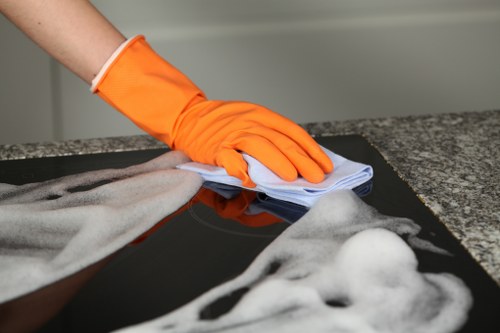
A good sofa cleaning service should be clear about what is included. While the exact process depends on the fabric and condition of the upholstery, a typical visit starts with inspection and preparation, followed by the most suitable cleaning method for the item. That might involve hot water extraction, low-moisture cleaning, dry cleaning methods, or specialist treatment for sensitive materials.
Before cleaning begins, the technician will usually check the sofa’s material, construction, and condition. This matters because a velvet armchair, a family sectional, and a leather sofa all require different treatment. The goal is to clean effectively while keeping the furniture safe.
In many cases, a sofa cleaning appointment in W4 may include spot treatment, pre-conditioning of dirty areas, careful agitation where needed, extraction or residue removal, and a final check of the finish. Some services can also help with cushions, armrests, headrests, and other high-contact areas that often need extra attention.
Common items that can be cleaned
- 2-seater, 3-seater, and corner sofas
- Armchairs and occasional chairs
- Footstools and ottomans
- Loose cushions and seat pads
- Sectional and modular seating
- Commercial lounge seating and reception furniture
Important: if your sofa has delicate trims, mixed fabrics, old repairs, or manufacturer cleaning instructions, it’s worth pointing these out at the start. That helps the cleaning team choose the safest and most suitable approach.
How the Sofa Cleaning Process Usually Works

Customers often want to know what actually happens during a sofa cleaning visit. The process is usually straightforward, but it should still be careful and methodical. A local specialist serving W4 will normally begin with a brief assessment of the sofa, the fabric type, visible stains, and any problem areas such as pet marks or heavy armrest soil.
Next comes preparation. This can include vacuuming to remove loose debris, checking colour fastness in an inconspicuous spot, and deciding whether the fabric is suitable for deep cleaning or needs a gentler method. This step is important because not all upholstery reacts the same way to moisture or agitation.
After preparation, the chosen cleaning solution is applied and worked into the fabric in a controlled way. The cleaner will usually spend extra time on traffic areas, cushions, and places where grime collects most. Once the cleaning action has done its job, residue and loosened soil are removed, leaving the fabric cleaner and fresher.
Typical step-by-step service flow
- Initial inspection of the sofa and fabric
- Vacuuming and dry soil removal
- Pre-treatment for stains and marked areas
- Deep cleaning using the correct method
- Rinsing or extraction where appropriate
- Final grooming and finishing check
For many homes in W4, especially flats and properties with limited access, the process needs to be efficient as well as careful. A well-prepared team brings the right equipment and works in a way that minimizes disruption to your room.
Why Professional Upholstery Care Beats DIY Attempts
It can be tempting to try and clean a sofa yourself, especially after a spill. However, upholstery is more delicate than it looks. Over-wetting, using the wrong product, scrubbing too hard, or failing to rinse properly can leave water marks, sticky residue, or even shrinkage and fabric distortion. In some cases, DIY attempts can make a stain harder to remove.
Professional sofa cleaning in W4 offers a more controlled approach. Experienced cleaners know how to identify fibre types, select appropriate products, and adjust technique for different upholstery materials. They also use equipment designed to pull dirt and moisture out effectively, which can help the sofa dry more evenly and leave less residue behind.
This is especially helpful for busy households and businesses. If you have children, pets, clients, or visitors coming through regularly, you may need a result that looks good quickly and can stand up to real use. A proper clean can support that without the trial-and-error of home treatment.
Common reasons customers book a professional clean
- Spills and accidental stains
- Pet hair and pet odours
- General dullness and everyday grime
- Preparing a property for letting or sale
- Refreshing a reception or waiting area
- Cleaning after a renovation or busy season
Note: if your sofa is antique, handmade, or made with a very delicate textile, professional assessment becomes even more important. In those cases, a cautious, fabric-led approach is the safest option.
Local Homes and Businesses in W4: Cleaning Needs That Vary

W4 is a varied area, and that variety matters when it comes to upholstery care. A compact flat in a converted building may need careful access planning and minimal equipment movement. A larger family home near Chiswick or Grove Park might need multiple sofas cleaned in one visit. Commercial clients in the area often need flexibility, discreet working, and reliable timing around opening hours.
For residential customers, the main concerns are usually comfort, stain removal, and the general appearance of the sofa. For business customers, the focus may be on maintaining a tidy, welcoming environment for visitors and staff. In both cases, the aim is the same: a cleaner, more presentable seating area with less hassle.
Local knowledge helps with practical issues too. If parking is limited or access is awkward, a nearby service is more likely to plan effectively. That can mean bringing the right tools, allowing enough time for setup, and avoiding unnecessary delays. It also helps when a cleaner knows how to work around fitted furniture, narrow hallways, and shared entrances common in parts of W4.
Property types often seen in the area
- Flats and apartments
- Period terraces and converted homes
- Family houses with large lounge seating
- Lettings and furnished rentals
- Offices, studios, and consultation spaces
- Hospitality and customer-facing premises
If your sofa is in a front room, basement lounge, upper-floor flat, or commercial reception area, a local upholstery cleaner can usually adapt to the space more easily than a distant or less familiar provider.
Fabric Types and Why They Need Different Care
Not all sofas can be cleaned the same way. The fabric code, age of the upholstery, and overall condition all influence the method used. A reliable sofa cleaning service should always check the material first rather than assuming one cleaning solution suits everything.
Common upholstery materials include: cotton blends, polyester, velvet, microfibre, wool mixes, linen-style fabrics, and leather. Each one can react differently to cleaning agents and moisture. For example, some fabrics may tolerate deep extraction well, while others need lower moisture or specialist products to protect the finish.
This is why sofa cleaning W4 residents book with a professional team is often a safer choice than guesswork. If your sofa includes multiple fabric sections, piping, buttons, or decorative details, the cleaner should assess these carefully before starting. That attention to detail can make a big difference to the final result.
Helpful examples of fabric-aware care
- Gentle treatment for delicate or textured fabrics
- Low-moisture cleaning where water use must be controlled
- Specialist products for grease, food, or drink marks
- Separate care for leather or leather-look surfaces
- Extra attention to seams, corners, and arms where dirt builds up
If you’re unsure what your sofa is made of, that’s not a problem. A local technician can usually identify the fabric during the initial inspection and explain the safest options before any cleaning starts.
Stain Removal and Odour Treatment
One of the biggest reasons people look for upholstery cleaning is staining. Coffee, tea, wine, juice, makeup, mud, and food spills can all leave visible marks. Pet accidents and lingering odours are also common concerns, especially in busy family homes. While no reputable cleaner should promise that every stain will disappear completely, professional treatment often gives much better results than generic household products.
Stain treatment starts with identifying the type of mark and the fabric involved. The wrong solution can set a stain or spread it further. A proper upholstery cleaner will usually test before applying treatment more widely. That careful process is especially useful when dealing with older or unknown marks, where the cleaning method needs to be adjusted.
Odour treatment works in a similar way. Smells from pets, food, smoke, or dampness can sit deep in the fibres. A surface wipe may cover them temporarily, but proper cleaning aims to reduce the source. That’s one reason many customers choose professional sofa cleaning in W4 before hosting guests, moving out of a rental property, or reopening a commercial space after a period of limited use.
Useful outcomes customers often want
- Visible stain reduction
- Fresher-smelling seating
- Cleaner-looking fabric across high-use areas
- Improved presentation before special occasions
- Better condition for everyday use
Tip: the sooner a spill is treated, the better. Even if a stain has set, it’s still worth asking about cleaning options rather than assuming it is permanent.
Preparing for Your Sofa Cleaning Appointment

A little preparation helps your appointment run smoothly and can save time on the day. You do not need to do everything yourself, but a few simple steps make the process easier for everyone. This is especially helpful in W4 homes where space may be limited or furniture needs to be moved carefully.
Before the cleaner arrives, it is useful to clear small items from the sofa and the surrounding area. Remote controls, cushions, blankets, ornaments, and fragile objects should be moved to a safe place. If there is anything the cleaner should know about the sofa, such as a loose seam, previous repair, or a stain of unknown origin, mention it at the start.
If you live in a flat or a property with restricted access, it helps to note parking or entry details in advance. Local teams often work around controlled bays, shared entrances, and timed access windows, but clear information can make the visit much smoother. For commercial customers, it is also helpful to agree on the best time to clean so the service causes minimal disruption to staff or visitors.
Simple preparation checklist
- Remove cushions, throws, and loose items
- Vacuum the surrounding floor if needed
- Clear access to the sofa from doors and hallways
- Point out stains, wear, or delicate areas
- Share any access or parking notes in advance
- Keep pets and children safely out of the work area if possible
These small steps help ensure that your sofa cleaning appointment is efficient, safe, and focused on the areas that matter most.
Pricing Factors for Sofa Cleaning in W4
Customers often want to know what affects the cost of sofa cleaning, even when no exact price is quoted online. That’s sensible. A fair quotation usually depends on several practical factors rather than a one-size-fits-all figure.
Typical pricing factors include: the size of the sofa, the number of seats, the type of fabric, the level of soiling, the presence of stains or odours, and whether any specialist treatment is needed. Access can also influence time and planning, especially in upper-floor flats or properties with limited parking.
Commercial upholstery cleaning may involve different considerations too, such as the quantity of seating, working outside normal hours, or cleaning multiple items in one visit. If you’re requesting a quote for Sofa Cleaning in W4, it helps to describe the furniture accurately and mention any specific concerns. That makes it easier to provide a realistic estimate and avoids surprises later.
Factors that may influence the final quotation
- Single sofa versus multiple items
- Fabric type and condition
- Stain severity and odour issues
- Need for stain protection or specialist care
- Access, parking, and setup time
- Residential or commercial scheduling needs
Request a free quote if you’d like a better idea of what your sofa cleaning job may involve. A short description and a few details about the furniture can usually help start the process.
Why Choose a Local W4 Company
There are several reasons to choose a local company for upholstery cleaning rather than waiting for a provider from far outside the area. First, local teams are often easier to schedule. Second, they are more likely to understand the buildings, access issues, and daily rhythm of the neighbourhood. Third, if you have a practical question before or after the clean, it’s helpful to deal with a team that works regularly in W4 and surrounding districts.
Local service also matters when your sofa needs timely attention. A spill that happened yesterday is a very different issue from a sofa that has been heavily used for years. When a cleaning team is based nearby, it can often respond more efficiently and arrange appointments that fit your routine. That’s especially useful for households with children, shared homes, landlords preparing between tenancies, and businesses needing to keep public areas presentable.
Another advantage is consistency. A company focused on sofa cleaning W4 customers can build a practical understanding of local homes, building layouts, and common upholstery concerns across the area. That local experience may not be dramatic, but it is often the difference between an awkward visit and a smooth, well-organised one.
Areas Covered Around W4
Customers in and around W4 often look for a service that covers nearby neighbourhoods as well as the main local streets and residential pockets. This can include homes and businesses in Chiswick, Turnham Green, Grove Park, Bedford Park, and nearby parts of west London where practical access and flexible scheduling are important.
If you are just outside the immediate W4 area, it is still worth asking. Many local upholstery teams cover surrounding districts too, especially where the job is suitable for a one-visit service. Whether the sofa is in a family home, a rented flat, a studio, or a client-facing business, the main aim is to provide a clean that is safe, effective, and properly planned.
Book your service now if your upholstery needs attention and you want a local team that understands the area and the kinds of properties found in W4.
Frequently Asked Questions
How long does sofa cleaning take?
The time needed depends on the size of the sofa, the fabric, the amount of soiling, and any stain treatment required. A small sofa may be completed relatively quickly, while larger or heavily marked pieces can take longer. Access and setup can also affect the overall appointment length.
Will my sofa be very wet afterwards?
That depends on the cleaning method used. Professional upholstery cleaning is designed to avoid unnecessary saturation. The goal is to clean thoroughly while controlling moisture as much as possible. Drying time can vary based on fabric, ventilation, and room temperature.
Can you clean delicate fabrics?
Many delicate fabrics can be cleaned, but they must be assessed first. The technician will normally check the material, review any fabric code or care instructions, and choose the safest approach. If a sofa needs gentler treatment, that will usually be explained before work begins.
Can you help with pet odours and stains?
Yes, in many cases professional cleaning can help reduce pet-related marks and smells. The exact outcome depends on how long the issue has been present and how deeply it has affected the upholstery. A proper inspection is the best way to determine the right treatment.
Do I need to move the sofa?
Usually not. In most cases, the cleaner will work with the sofa in place, as long as there is access around it. If the furniture is light enough to move slightly or needs space behind it, the technician can advise on the day. For larger pieces or awkward room layouts, advance planning is helpful.
Is sofa cleaning suitable for commercial spaces in W4?
Yes. Offices, reception areas, waiting rooms, salons, and hospitality settings often benefit from regular upholstery cleaning. It helps maintain a tidy appearance and can reduce the build-up of everyday grime in customer-facing seating.
Ready to Refresh Your Sofa?
If your sofa looks tired, smells less fresh than it should, or simply needs proper care after everyday use, professional upholstery cleaning can help. A local service in W4 gives you practical support, fabric-aware treatment, and a simpler way to restore comfort and appearance without the hassle of guessing what product to use.
Whether you need help with a single sofa, multiple chairs, or commercial seating, the right cleaning approach can make a real difference. Contact us today, request a free quote, or book your service now to arrange sofa cleaning in W4 at a time that suits your home or business.